Home > 駕駛技巧 > 倒車時怎麼看後照鏡?新手倒車不慌張的判斷方法

倒車時怎麼看後照鏡?新手倒車不慌張的判斷方法

倒車時怎麼看後照鏡?新手倒車不慌張的判斷方法

在這篇文章中,我將以專業駕駛的角度,帶領您掌握倒車時觀察後照鏡的正確邏輯。許多駕駛在考取駕照後,仍對倒車感到陌生。本篇將透過系統化的教學,幫助您建立自信。

我們將探討如何透過正確的視線轉移與空間判斷,讓您在面對狹窄停車位時能從容應對。透過這些實用的技巧,您將能有效降低碰撞風險,並提升日常行車的安全性。

關鍵要點

  • 正確調整後照鏡可提高安全性。
  • 了解視線轉移的重要性。
  • 判斷車身與障礙物距離的技巧。
  • 保持冷靜是新手駕駛的關鍵。
  • 善用輔助鏡來減少盲點。

為什麼新手停車總是感到恐懼

A nervous new driver in a modern car, gripping the steering wheel tightly, sitting in a parking lot scenario. The foreground shows her anxious expression, her eyes wide with fear, reflecting the tension of reversing. In the middle ground, the car is oriented awkwardly towards a parking space, with nearby vehicles creating a slightly claustrophobic feeling. The background features a variety of trees and buildings, casting dappled sunlight that enhances the atmosphere of a serene yet tense environment. Use a wide-angle lens to amplify the sense of space and anxiety. The overall mood is filled with apprehension and confusion, perfectly encapsulating the fear of parking for beginners.

許多新手在停車時會感到恐懼,這種情緒通常是因為他們對車身和周圍環境的空間感尚未建立。這會讓他們對距離的判斷產生極大的壓力。根據交通安全研究,超過 60% 的新手駕駛在倒車過程中,因為視線死角而產生了心理上的焦慮。

我認為這種恐懼感是正常的。只要透過正確的練習和觀念建立,就能逐步克服。以下是一些可能的原因,讓我們一起來了解:

  • 缺乏經驗:新手對於車輛的操作和周圍環境的認知尚不成熟。
  • 視線死角:倒車時,某些區域無法清楚觀察,增加了不安感。
  • 距離判斷困難:新手對於車身與障礙物的距離感不足,容易感到緊張。

調整後照鏡的正確黃金角度
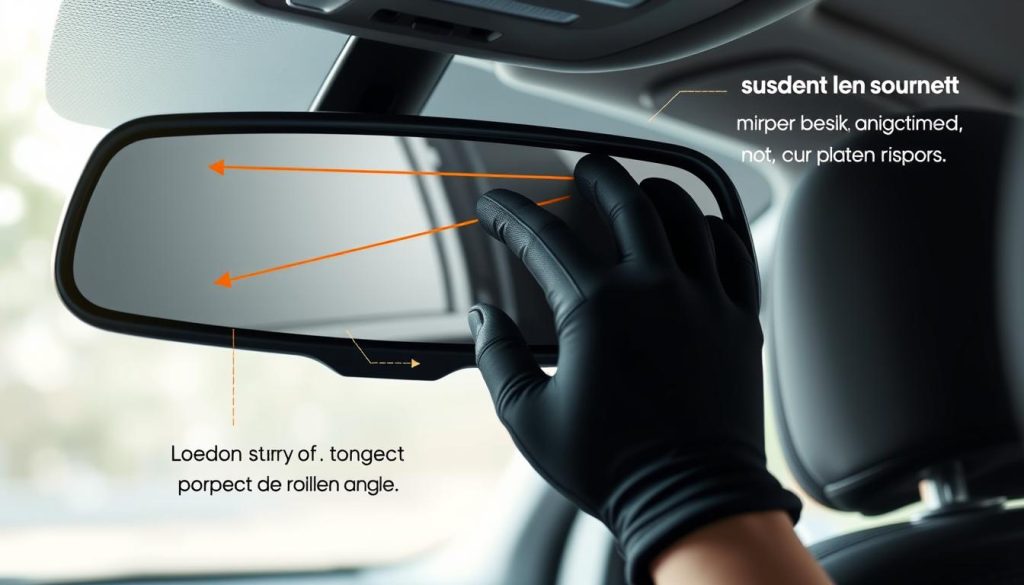
A detailed instructional diagram illustrating the correct adjustment of a car's rearview mirror, with emphasis on the 'golden angle' for optimal visibility. The foreground features a close-up of the rearview mirror, showing alignment marks and angles. In the middle, an illustrative hand, wearing a professional glove, is positioned to adjust the mirror, highlighting the concept of proper hand placement. The background includes a blurred silhouette of a vehicle interior, focusing on the driver's seat. Soft, natural lighting creates a calm learning atmosphere, emphasizing clarity and detail. Use a realistic lens effect to enhance depth, making the mirror and hand appear prominently while ensuring a professional, educational feel throughout the composition.

調整後照鏡是確保行車安全的第一步。正確的角度能大幅減少視覺盲點,讓我在駕駛時更加自信。以下是調整後照鏡的具體方法:

調整內後視鏡

內後視鏡的調整非常重要。應將其調整至能完整看見後擋風玻璃,這樣能提供最佳的後方視野。

調整左右後視鏡

左右後視鏡的調整也不容忽視。建議將鏡面調整至車身僅佔鏡面內側約 1/4 的位置。這樣的設定能讓我更清楚地觀察到後方的動態,特別是在倒車時。

  • 確保內後視鏡能清楚看見後方。
  • 左右後視鏡應調整至最佳視角。
  • 定期檢查後照鏡的角度。

倒車技巧、後照鏡、倒車入庫、停車技巧、新手停車

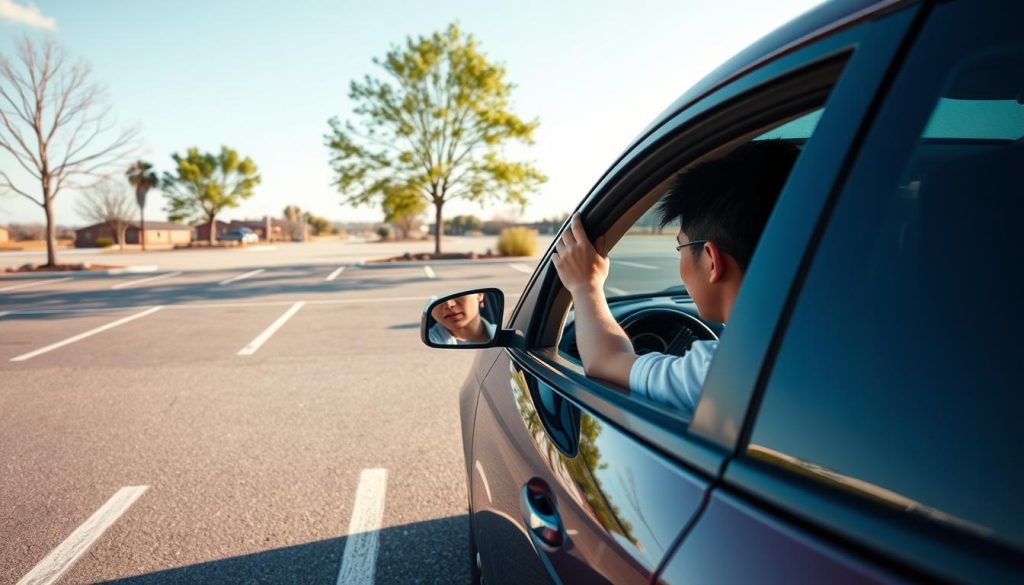
A serene parking lot scene showcasing a beginner driver practicing reverse parking techniques. In the foreground, a focused young adult wearing casual but neat attire is seen inside a compact car, attentively adjusting the rearview mirror for guidance. The mid-ground features a well-marked parking space with clear parking lines, and behind the car, an open view of the lot with nearby trees and a gentle blue sky. The lighting is bright and natural, casting soft shadows that enhance the tranquil atmosphere. A slight angle from the driver's side gives a perspective of the car's reverse movement, emphasizing the importance of using mirrors while parking. The overall mood is calm and educational, encouraging confidence in new drivers.

學習駕駛時,掌握倒車技巧非常重要。無論是新手停車還是倒車入庫,正確的技術能在繁忙城市中安全停車。這些基本技巧不僅增強駕駛自信,還能降低事故風險。

以下是一些關鍵的停車技巧:

  • 熟悉車輛的大小和轉向半徑。
  • 在倒車時,使用後照鏡來確認周圍的情況。
  • 慢速倒車,保持冷靜,隨時準備調整方向。
  • 預留足夠的安全間距,避免碰撞。

新手停車時,面臨各種挑戰,可能感到緊張。透過不斷練習和反覆實戰演練,您將熟練掌握倒車入庫技巧。每次停車都是學習機會,記住每個細節,將在未來駕駛中更加得心應手。

這些技巧指導下,將提升您的駕駛水準。透過系統化學習,將理論轉化為肌肉記憶,讓每次停車都變得流暢而安全。

判斷車身與障礙物距離的訣竅

A professional driver focusing on reversing a car, looking intently at a rear-view mirror while carefully gauging the distance to nearby obstacles. The foreground captures the driver's determined expression, showcasing their concentration and careful awareness. In the middle, there's a detailed view of the rear-view mirror displaying a clear reflection of a parked car and a fence behind it, emphasizing the crucial distance assessment. The background reveals a typical parking lot scene with distinguishable cars, trees, and parking lines to create depth. Soft, natural lighting casts gentle shadows, adding realism to the scene, and the angle is slightly tilted to heighten the sense of action and focus. The atmosphere should be calm yet attentive, illustrating the importance of distance judgment when reversing.

在倒車時,準確判斷車身與障礙物的距離至關重要。這不僅能幫助我避免碰撞,還能提升停車的效率。以下是一些有效的技巧,讓我能夠更好地掌握車輛位置。

觀察車側線條

我學會了透過觀察車側線條來判斷距離。當我倒車時,應注意車身與地面標線的相對位置。這樣可以幫助我確保車輛正確地停在停車格內。

預留安全間距

在倒車時,預留至少 50 公分的安全間距是我的一項基本原則。這樣的距離能夠讓我在遇到突發狀況時,迅速修正方向盤,確保安全。

  • 觀察車側線條,確保與地面標線平行。
  • 保持至少 50 公分的安全間距。
  • 定期練習,提升空間感。
技巧 說明
觀察車側線條 透過車側線條與地面標線的相對位置來判斷距離。
預留安全間距 在倒車時,至少保持 50 公分的距離。
定期練習 提升對車身空間感的直覺。

倒車入庫時的視線轉移策略

A detailed scene illustrating the perspective shift strategy for reversing a vehicle into a parking space. In the foreground, a car is positioned at an angle, showing the driver's perspective through the rearview mirror, emphasizing a focus on the parking space and surrounding obstacles. The middle ground features marked parking lines and clear indicators of distance, giving a sense of spatial awareness. In the background, other parked cars and a serene parking lot create a calm, composed atmosphere. The image is well-lit with natural daylight, casting soft shadows for depth. The angle captures a dynamic view from inside the vehicle while maintaining a professional tone, suggesting mindfulness and focus as the driver prepares to maneuver.

在倒車入庫過程中,視線轉移策略至關重要。新手駕駛常因緊張而忽視周遭環境。採用正確的視線轉移方法,能顯著提升倒車的安全性與準確性。

我推薦使用「掃視法」,這是一種節奏化的視線切換技巧。透過這方法,我們能夠在內後視鏡、左右後視鏡與車窗外間進行快速的視線掃描。專業駕駛訓練建議每 3 秒鐘進行一次全方位的視線掃描。

  • 檢查內後視鏡,確保後方視野清晰。
  • 查看左右後視鏡,注意車側的障礙物。
  • 隨時觀察車窗外的情況,了解周圍環境。
視線轉移項目 建議頻率 目的
內後視鏡 每 3 秒 檢查後方車輛
左後視鏡 每 3 秒 觀察左側障礙物
右後視鏡 每 3 秒 觀察右側障礙物
車窗外 隨時 了解周圍環境

運用這些視線轉移策略,能讓我在倒車入庫時更加自信與安全。每次倒車都要保持冷靜,這樣才能有效避免意外發生。

善用車內後視鏡觀察後方死角

A detailed view from inside a car, focusing on the rearview mirror, which reflects a clear image of the area behind the vehicle, emphasizing the blind spot. The interior of the car is modern and tidy, with a focus on the rearview mirror, capturing the angle from the driver's perspective. The lighting is bright, simulating a daytime scene with sunlight filtering through the windows, creating a warm, inviting atmosphere. In the background, show a road with other cars and pedestrians, hinting at a busy street environment, while maintaining a sense of safety. The composition should evoke a calm and focused mood, illustrating the importance of using the rearview mirror effectively while reversing.

在倒車時,後視鏡是觀察後方死角的關鍵工具。它提供比左右後視鏡更廣的視野,幫助我更全面地了解周圍環境。特別是在停車時,內後視鏡能有效識別是否有行人或小型障礙物。

對於新手駕駛而言,辨識後方死角的能力尤為重要。以下是一些技巧,幫助我更好地利用後照鏡:

  • 在倒車前,先檢查後視鏡,確認後方是否安全。
  • 注意後方的動態物體,特別是行人和小型車輛。
  • 經常練習調整後視鏡的位置,以獲得最佳視野。

辨識後方死角

後方死角是駕駛者容易忽略的區域。這些區域通常位於車身的兩側和後方。透過後照鏡,我能及早發現潛在的危險,避免意外。

判斷距離感

利用後照鏡時,判斷距離感至關重要。我會透過以下方式來提升我的距離感:

  • 觀察後視鏡中物體的大小,與實際距離進行對比。
  • 練習在不同距離下倒車,增強對距離的感知。
  • 善用後照鏡,確保車尾與障礙物之間有足夠的安全距離。

停車技巧中的方向盤修正時機

學習停車技巧時,掌握方向盤修正的時機至關重要。這不僅提升倒車技巧,還增強駕駛自信。當車身與停車格線約呈 45 度角時,是修正方向盤的最佳時機。

為了讓您更清楚如何進行方向盤修正,以下是一些實用的建議:

  • 在車輛接近停車格時,觀察周圍環境。
  • 確保後視鏡調整到最佳視角,能清楚看到後方的情況。
  • 當車身與停車格線形成 45 度角時,開始輕輕轉動方向盤。
  • 避免過早或過晚修正,這會導致車身歪斜。
  • 多加練習,逐漸能夠掌握修正的黃金時機。

倒車時如何避免視覺盲點

A detailed image of a car's rearview mirror, reflecting the surrounding environment during a reverse parking maneuver. In the foreground, the rearview mirror is prominently displayed, providing a clear view of a driver, dressed in professional attire, looking into the mirror with focus. In the middle ground, the scene showcases a parked vehicle and obstacles like a streetlamp and a curb, illustrating potential blind spots. The background features a suburban street with soft-focus trees and houses, creating a peaceful driving atmosphere. The lighting is bright and natural, simulating daytime, with a slightly elevated angle to emphasize visibility. The overall mood conveys careful awareness and control, highlighting the importance of using the rearview mirror to avoid visual blind spots while reversing.

在倒車過程中,避免視覺盲點至關重要。雖然後照鏡功能強大,但轉頭觀察仍是最直接且有效的方法。這樣可以讓我更清楚地了解周圍環境,特別是大型車輛的駕駛者。

轉頭觀察的重要性

轉頭觀察不僅能補充後照鏡的視野,還能讓我確認車身兩側的死角。這對於新手駕駛來說尤為重要。以下是一些轉頭觀察的要點:

  • 確保視線能夠清晰地看到後方和側邊的障礙物。
  • 在倒車前,先停下來,仔細觀察周圍環境。
  • 經常練習轉頭觀察,增強自己的空間感。

善用輔助鏡

安裝廣角輔助鏡是另一個有效的選擇。這種輔助鏡能提供額外的視野範圍,幫助我看見後照鏡無法覆蓋的區域。使用輔助鏡的好處包括:

  • 擴大視野,減少盲點。
  • 增強對周圍環境的感知。
  • 提高倒車的安全性。

培養對車身空間感的直覺

對於新手駕駛來說,了解車身空間感至關重要。這不僅能提高停車的準確性,還能增強駕駛的信心。建議在空曠的停車場進行練習,能更好地感受車身與障礙物之間的距離。

以下是一些有助於提升空間感的練習方法:

  • 使用三角錐作為障礙物,逐步靠近並停車。
  • 觀察車身的邊緣與障礙物的距離,學習如何判斷。
  • 練習在不同的角度和位置停車,增強對車輛尺寸的熟悉度。

當我能夠自然而然地判斷車身位置時,停車變得不再困難。這種直覺來自於對車輛尺寸的熟悉和對視線角度的精確掌握。以下是一些關鍵要點:

  1. 保持冷靜,慢慢靠近障礙物。
  2. 不斷練習以增強對空間的感知。
  3. 利用後視鏡和側鏡輔助判斷距離。

停車時保持冷靜的心理建設

在停車過程中,保持冷靜是新手面臨的重要心理挑戰。許多新手在面對狹窄車位時,常感緊張,導致操作失誤。為此,我有幾個實用的建議。

克服緊張情緒

當你感到緊張時,深呼吸是一個有效的方法。這能幫助你降低心率,讓你更專注於停車過程。以下是一些建議:

  • 在進入停車位前,停下來深呼吸幾次。
  • 告訴自己,這只是日常駕駛的一部分。
  • 如果需要,請尋找一個空曠的地方練習停車技巧。

保持緩慢速度

在停車時,保持極緩慢的速度非常重要。這不僅能給你更多的反應時間,還能幫助你更好地掌握車身位置。記住:

  • 慢速駕駛讓你有更多時間判斷距離。
  • 避免急轉彎,以減少車輛失控的風險。
  • 使用後視鏡和輔助鏡,確保視野清晰。

倒車入庫的常見錯誤修正

學習倒車入庫時,新手經常會犯一些常見錯誤。這些錯誤不僅影響停車效果,還可能增加緊張感。了解並修正這些錯誤,能顯著提升我的倒車技巧。

  • 方向盤轉動過快:這會導致車輛無法正確進入停車位。
  • 視線過度集中於單一方向:忽略了車身兩側的情況,容易發生碰撞。
  • 未能預留足夠的安全間距:這可能會使車輛無法安全停放。

發現車身歪斜時,應立即停止倒車,修正車輛方向後再嘗試。強行在錯誤角度下倒車只會增加麻煩。透過分析這些錯誤,我能識別自己的操作盲點,並在下一次練習中進行針對性修正。

以下是一些修正常見錯誤的建議:

  1. 練習時慢慢轉動方向盤,確保車輛能夠平穩進入停車位。
  2. 多次檢查後視鏡,確保視野清晰。
  3. 在每次倒車前,先確定周圍環境,避免意外發生。

輔助系統與後照鏡的搭配使用

現代駕駛中,輔助系統如倒車顯影和警示音已成為不可或缺的工具。這些系統能提供額外的安全保障。但我認為它們應該與後照鏡一起使用,而不是完全依賴。以下是一些需要注意的要點。

倒車顯影的限制

倒車顯影系統雖然能提供視覺輔助,但其存在一些限制:

  • 視角扭曲:螢幕顯示的影像可能與實際情況有所不同。
  • 解析度限制:在低光環境下,影像可能不夠清晰。
  • 盲點問題:某些障礙物可能無法被顯示。

警示音的參考價值

警示音能提醒我與障礙物的距離,但這並不能取代我的空間判斷。特別是在複雜的停車環境中,以下是一些建議:

  • 不要完全依賴警示音,還需觀察後照鏡。
  • 保持冷靜,根據聲音的變化來調整操作。
  • 結合視覺和聽覺信息,以提高安全性。

提升停車效率的練習方法

提升停車效率的關鍵在於持續的練習。建議每週至少安排兩次針對性的停車訓練。這不僅能夠加深對車輛操控的理解,還能提高對周圍環境的感知。

在進行練習時,以下幾個方法值得考慮:

  • 選擇人煙稀少的停車場,避免緊張情緒影響表現。
  • 嘗試不同角度的倒車入庫,提升倒車技巧。
  • 在不同光線條件下操作,適應各種環境。

結論

掌握倒車入庫的技巧,需要時間和耐心。新手停車時,了解正確觀念與持續練習是關鍵。希望這篇文章能幫助您建立自信,讓駕駛過程更加從容。

保持冷靜是新手停車的基本要求。善用後照鏡觀察周圍環境,能有效減少意外。隨著時間推移,您將對車身空間感有更深理解。

只要持續練習,您將在倒車入庫過程中變得更加熟練。每次練習都為未來駕駛技術打下堅實基礎。相信您能成為一名停車技術精湛的駕駛者。

FAQ

倒車時應該如何正確使用後照鏡?

在倒車時,後照鏡是判斷周圍環境的關鍵工具。倒車前,應先調整內後視鏡和左右後視鏡,確保能清晰看到後方。這尤其重要於狹窄停車位,能顯著減少視覺盲點。

新手在倒車入庫時常犯的錯誤有哪些?

新手常犯的錯誤包括方向盤轉動過快和忽視車身兩側間距。發現車身歪斜時,應立即停止並重新調整方向。這能有效避免碰撞。

如何克服倒車時的恐懼感?

克服恐懼感需多練習和心態調整。空曠停車場是理想練習地,幫助建立空間感。保持冷靜和控制車速,對於狹窄車位更有信心。

有哪些技巧可以提高倒車的準確性?

提升準確性的技巧包括觀察車側線、預留安全間距和定期轉頭確認。這些方法幫助您精確判斷距離,降低碰撞風險。

倒車入庫時,視線應如何轉移?

建議使用「掃視法」,定期切換內後視鏡、左右後視鏡和車窗外視線。這避免忽視後方障礙物,提高安全性。

如何利用車內後視鏡觀察後方死角?

車內後視鏡提供廣闊視野,特別適合倒車。倒車前透過內後視鏡確認後方是否有障礙物,有效避免盲區。

如何提升停車效率?

提升效率需規律練習。每週至少安排兩次停車訓練,選擇不同場地和光線條件。這幫助您逐步提高技巧。

Leave a Reply

Your email address will not be published.