Home > 駕駛技巧 > 窄巷會車怎麼開?新手最怕的巷弄駕駛完全教學

窄巷會車怎麼開?新手最怕的巷弄駕駛完全教學

窄巷會車怎麼開?新手最怕的巷弄駕駛完全教學

我在台北東區跟著專業教練湯幃捷練習過好幾回。面對複雜街巷時,緊張往往來自姿勢與視線不對。正確座椅調整能讓左腳精準對應車輛前輪位置,這是安全的第一步。

開車時我習慣把背部緊貼椅背,手臂伸直並在方向盤保留一個拳頭距離。轉彎用左右手「一帶一」的方式,能減少卡頓與操作錯誤。

遇到死巷我不會慌張,先把方向盤回正,冷靜判斷後再倒車或調頭。行經狹窄且行人多的巷道時,我會把右腳放在煞車上,視線放遠,提升反應速度。

重要整理要點

  • 調整座椅,確保左腳能準確踩踏前輪對應位置。
  • 背靠椅背、手握方向盤留一拳距離,維持舒適與控制力。
  • 轉彎採用左右手「一帶一」避免雙手打結。
  • 視線放遠以避免轉彎過頭或反應遲緩。
  • 遇死巷冷靜回正方向盤,再判斷倒車或調頭方案。

掌握車身定位與空間感:窄巷開車技巧的核心
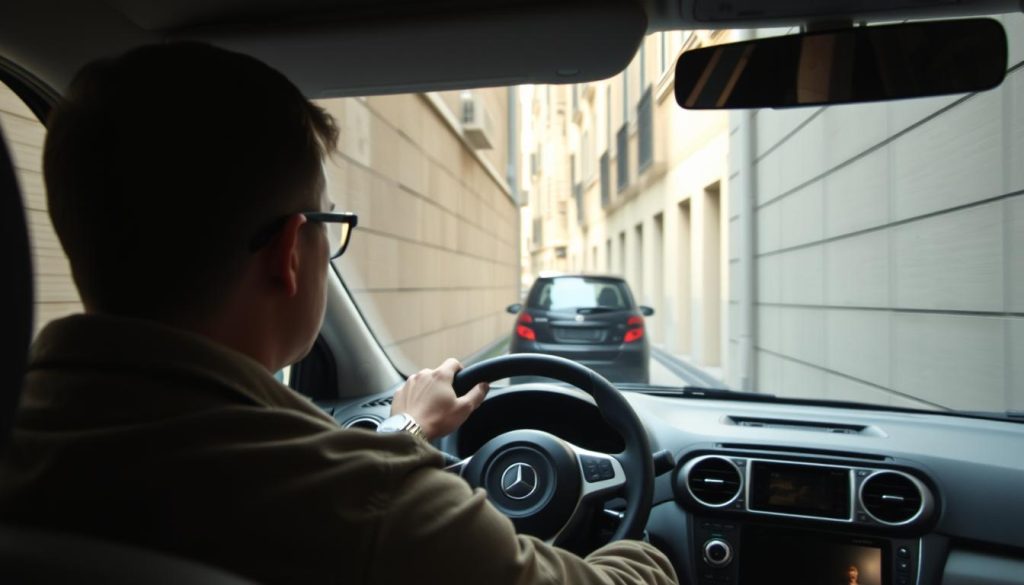
A narrow alleyway scene illustrating expert driving techniques, featuring a compact car maneuvering through tight spaces with precision. The foreground shows the driver's focused expression, dressed in casual but practical clothing, hands firmly on the steering wheel. In the middle, a view of the car navigating past a wall with minimal clearance, highlighting spatial awareness and vehicle positioning. The background displays slightly blurred rows of closely spaced buildings, enhancing the sense of confinement in the alley. Soft, diffused daylight floods the scene, creating an optimistic atmosphere of learning and skill development. The image should capture the essence of mastering driving techniques in narrow environments, emphasizing control and confidence without any text or distractions.

我在實地練習後發現,能精準判斷車身邊界比速度控制更重要。定位與空間感決定你能否安心通過狹窄路段,這需要鏡面與肩部檢查的配合。

善用車內參考點判斷距離

後視鏡調整與盲點檢查

調整側後視鏡到能看到自己車身一小部分,能擴大視野並縮小盲點。我也養成每隔5至8秒查看後視鏡的習慣,並在變換路徑前做快速的肩部檢查(Shoulder Check)。

  • 在空曠場地練習車感,熟悉車身尺寸與迴轉半徑。
  • 即便有盲點偵測,也要結合肩部檢查,避免過度依賴科技。

窄巷會車與巷子裡會車的實戰操作
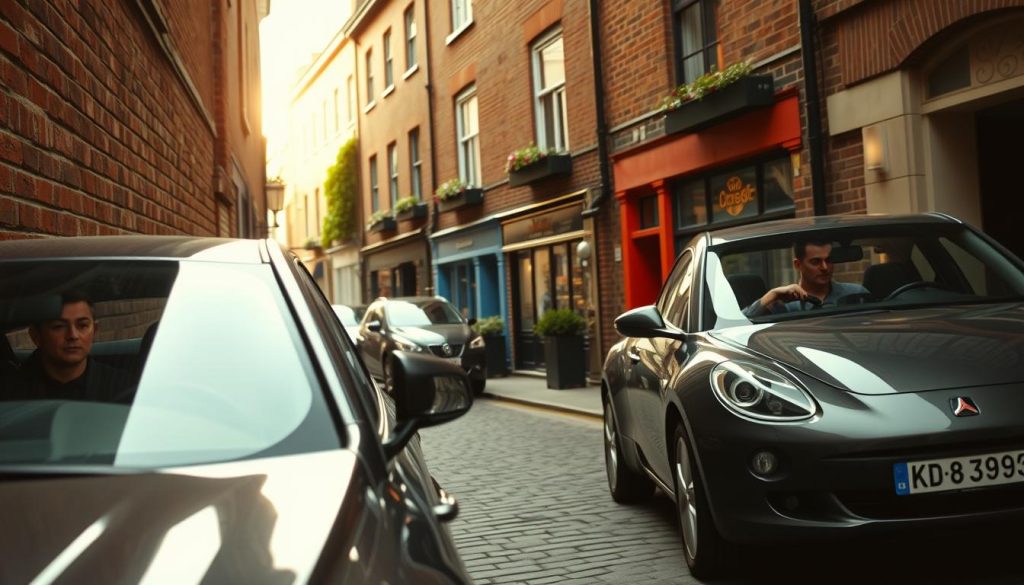
A narrow alley with two cars carefully maneuvering around each other, showcasing the skill required for navigating tight spaces. In the foreground, one car is parked close to a wall, its driver focused on steering with precision. The second car approaches slowly, with its driver looking intently ahead, both dressed in smart casual attire. In the middle ground, traditional brick buildings line the narrow street, with colorful storefronts and greenery emerging from window boxes. The background features a soft, diffused sunlight filtering through the narrow gap between the buildings, casting gentle shadows on the cobblestone pavement. The atmosphere is tense yet focused, capturing the critical moment of coordination and collaboration in a narrow alleyway. The image should be shot from a slightly elevated angle to emphasize the closeness of the surroundings.

會車前的觀察與預判

首先減速並透過後視鏡檢查後方是否有跟車。若後方車輛接近,我會讓行以避免夾擊。

精準操控與微調

通過狹窄路段時,我把注意力放在車身與路緣的相對距離。必要時小幅調整方向盤並持續觀察側鏡。

會車後的安全距離

順利交會後,我不會立刻加速。先確認後方沒有來車,與對向車拉開安全距離,再逐步回復速度。

重點提示

  • 若對向車速快,應提前減速並鳴喇叭示警。
  • 在複雜路段保持警覺,避免急躁導致擦撞。
階段 主要動作 檢查重點
會車前 減速、後視鏡檢查 對向車距離、路邊障礙
會車中 精準微調方向 車身與路緣間距
會車後 保持距離再加速 後方來車與周邊動態

克服窄路怎麼開的心理障礙與禮讓原則

A narrow street scene in an urban setting, showcasing a small car cautiously maneuvering through a tightly packed alley. In the foreground, focus on the car, highlighting the driver, who appears focused and slightly anxious, wearing smart casual attire. In the middle ground, there are two adjacent buildings with inviting storefronts and minimal pedestrians, creating a sense of community. The background features additional narrow streets leading off this main alley. The lighting is soft, suggesting early evening with warm, golden hues reflecting off the walls. A hint of greenery from potted plants can be seen, contributing to a calm atmosphere. The overall mood is one of concentration and the challenge of navigating tight spaces, conveying the essence of overcoming psychological barriers in driving.

每次面對狹窄路段,我會先深呼吸並快速評估路況。保持冷靜能讓我在緊張時仍做出正確判斷。

禮讓是解決多數會車衝突的關鍵。坡道會車時,我通常讓下坡車先停,然後主動禮讓上坡車起步,因為上坡起步困難較大。

當一方前方有障礙物時,我會主動放慢速度,讓對方有空間繞過。遇到僵局時,我會搖下車窗以手勢或言語協商,必要時請路人或其他駕駛協助指揮交通。

  • 保持耐心,避免急躁操作。
  • 主動禮讓,減少擦撞風險。
  • 溝通清楚,必要時下車協商。

結論

簡單的習慣改變,能讓我在狹窄路段駕駛更從容。透過練習座椅與鏡面參考點,我已能更精準判斷車身位置。

我建議在空曠場地反覆練習,逐步建立車感與迴轉判斷。,練習結合盲點檢查與肩部確認,能降低臨場錯誤。

駕駛不是只有技術,態度同樣重要。保持冷靜、主動禮讓並有效溝通,面對窄的街巷就能更有信心安全通過。

FAQ

我第一次在狹窄巷弄會車,該如何判斷是否要讓對方先行?

我會先減速並停在能看見對向車輛的安全點,觀察對方車速與距離。若對方已接近或速度較快,我會主動讓道;若路邊有較寬的退讓處,我會示意並倒車讓行。保持眼神或手勢溝通,並以安全為優先。

如何在窄路保持左右車身距離,避免擦撞路緣?

我會以車內固定參考點判斷,如車門把手、窗框與路緣位置,並慢速行駛。調整座椅與方向盤位置,確保視野最佳,必要時連續微調方向保持車身平行於路緣,避免一次大幅轉動造成碰撞。

後視鏡要怎麼調整才不會有盲點?

我先把外後視鏡略向外調,能看見車側少部分車身以當作參考,再透過內後視鏡掌握後方來車。會車或轉彎前我會多次掃視鏡面與肩膀盲點,必要時降低車速以增加反應時間。

面對對向來車時,我應如何進行微幅操控?

我會放慢速度,雙手穩握方向盤的九點三點位置,以小幅度轉動做微調。若需要讓行,我先示意減速、慢退到安全空間。避免急打方向或急煞,以免失控或擦撞。

會車前我應注意哪些周邊觀察項目?

我會檢查路面寬度、路邊停車、行人與機車動向,並留意對向車的車型與動向。看到較大型車輛或視線受阻處,我會更早減速並尋找合適退讓點。

會車後如何保持足夠安全距離?

會車通過後我會再穩定車速並回到車道中央,與前車保持至少二到三秒的跟車距離。若路況不穩或視線受限,我會再拉大距離,給自己更多反應時間。

遇到狹路會車時,怎麼避免與對方發生爭執?

我會以禮讓與溝通為主,透過燈號或手勢示意先讓,並保持冷靜。若雙方都不願讓步,我會選擇退到最近的安全退讓處,避免造成路堵或情緒衝突。

新手在窄路開車最常犯的錯誤有哪些?

我常見新手過度自信未減速、未善用參考點、或忽略鏡面與肩膀盲點。另有的人緊張時會猛打方向或猛加速,這些都容易導致擦撞或失控。我建議多練習慢速控制與觀察習慣。

有沒有推薦的練習方法可以提升窄路會車能力?

我會在交通少的巷弄練習低速進退,專注車身定位與鏡面判讀。也建議找教練或經驗駕駛陪同練習,模擬會車情境,並逐步增加難度以建立信心與空間感。

在雨天或夜間,狹路會車需要額外注意什麼?

我會進一步放慢速度並打開近光燈及防滑駕駛模式(如有),增加與對方車輛的可視距離。路面濕滑時保留更大安全距離,避免急煞或急轉,並確保車燈與雨刷功能良好。

Leave a Reply

Your email address will not be published.