Home > 駕駛技巧 > 開車上快速道路前要練什麼?新手快速道路入門

開車上快速道路前要練什麼?新手快速道路入門

開車上快速道路前要練什麼?新手快速道路入門

當我第一次準備上快速道路時,我知道要先建立穩固的駕駛基礎與心理準備。

對許多剛拿到駕照的人來說,掌握快速道路駕駛的要領,是提升安全與信心的第一步。

我建議從基本車輛操作開始,逐步練習合流、變換車道與速差判斷。

孔信權教練的經驗告訴我,不要急於冒險;用系統化訓練來累積經驗,效果最好。

透過正確的練習順序,我學會在較快車速環境中保持冷靜並做出正確判斷。

重點摘錄

  • 先從車輛基本控制與視野習慣開始練習。
  • 練習合流與速差判斷,避免盲目跟車。
  • 透過系統化訓練建立穩定反應與自信。
  • 遵循教練建議,不急於挑戰複雜路況。
  • 逐步進階,確保能獨立、安全上路。

為什麼新手開車上快速道路需要特別準備?

A nervous young driver, wearing a modest casual outfit, sits behind the wheel of a compact car, gripping the steering wheel tightly. The foreground captures their focused expression and slightly anxious posture. In the middle ground, a busy highway entrance looms ahead, with clear road signs indicating merging lanes. Other vehicles are in motion, highlighting the fast-paced environment typical of a freeway. The background features a bright, sunny sky, symbolizing a clear day, while the scene is illuminated with natural light, casting soft shadows. The mood is one of cautious determination, portraying the importance of preparation for novice drivers entering a bustling roadway.

當我第一次嘗試在高速度車道行駛時,立刻發現準備不足會放大每一個小錯誤。

高車速與密集車流會讓判斷時間縮短,若沒有穩固基本功,容易因緊張做出錯誤反應。

「不少學員在沒有練好基本功就上路,遇到突發狀況會產生很大的心理壓力。」 — 孔信權教練

這類路段要求更敏銳的空間感與快速反應。我建議在安全環境反覆練習合流、變換車道與速差判斷。

  • 先在低壓力的路段練習合流與加速。
  • 建立坐姿與視野習慣,減少判斷失誤。
  • 透過專業課程把理論轉為直覺反應。

有系統的準備能降低恐慌,提高在高速環境的安全與自信。

快速道路駕駛前的基本功訓練
A professional driving instructor demonstrating safe driving techniques on a busy highway. In the foreground, focus on the instructor, a middle-aged man wearing a smart casual outfit, seated in a modern car with a clear view of the dashboard and controls. In the middle ground, show a sleek highway with multiple lanes, other vehicles maintaining a safe distance, and various road signs indicating speed limits and driving rules. The background features a bright blue sky with a few fluffy clouds, emphasizing a clear day. Capture the scene from a slight low angle to highlight the car's position on the road and the surrounding environment. The mood should be focused and educational, with natural lighting enhancing the realism of the scenario.

我在第一堂課就明白:方向盤的細微動作決定行車平順度。開始前,先在低速空曠地練習坐姿、握把與視線,能減少緊張感。

油門與煞車的精準控制

控制踩踏力度是關鍵。教練會反覆提醒你用腳感受油門回饋,煞車則以短促且穩定的方式練習。

在河堤或停車場反覆練習加減速,有助於把動作變成身體記憶。

轉彎穩定性與車道維持

轉彎時保持平順的速度與方向盤小幅修正,可以提升穩定性。

我透過孔信權教練的螺旋式教學,一步步在車流少的路段建立車道維持的信心。

「第一次上課應注重方向盤操作、油門與煞車踩踏控制。」 — 孔信權教練

  • 先練習短距離加減速,強化腳感。
  • 在空曠路段反覆做轉向與車道維持練習。
  • 讓基本功成為遇急狀時的第一反應。

掌握快速道路駕駛的防禦駕駛觀念

A dynamic scene depicting a defensive driving scenario on a busy highway, showcasing a diverse group of professional drivers in modest, casual clothing. In the foreground, a focused driver in a sleek sedan is scanning the road, demonstrating keen anticipation of potential hazards. The middle layer features multiple vehicles, including trucks and motorcycles, each exhibiting various driving maneuvers. The background reveals a bustling highway with clear signage, overpasses, and a bright blue sky, bathed in warm, natural sunlight. The image captures the essence of vigilance and preparedness, evoking a sense of safety and responsibility in fast-paced driving environments. The angle emphasizes the driver's perspective, creating a realistic sense of motion and urgency.

我發現提早建立預判習慣,比單純練習車技更能減少緊張。

依循交通安全委員會的防禦駕駛教戰守策,駕駛應保持警覺,隨時觀察周遭動態。

預判路況與突發狀況應對

觀察距離與動向是第一步。看遠一點,留出更多反應時間,能避免急煞或追撞。

情境 預判要點 處理動作
前車突然減速 注意煞車燈與路面狀況 放鬆油門,穩踩煞車並閃避空間
鄰車無預警變道 觀察側後鏡與速度差 減速並往安全車道回位
路面障礙物 提前辨識並預估距離 減速並避讓,必要時閃燈提醒後方

「良好的防禦駕駛習慣,會為你和家人多爭取反應時間。」

選擇適合的道路駕駛課程提升信心

A scenic highway with a focus on road driving, featuring a modern car in the foreground, driven by a professional instructor in smart casual attire, showcasing safe driving techniques. The middle ground includes a few eager students attentively observing and learning as they stand beside another vehicle with an open hood, discussing vehicle maintenance. The background depicts a clear blue sky with fluffy white clouds, well-maintained road signage, and lush greenery alongside the highway, creating a welcoming atmosphere. The lighting is bright and natural, capturing the warmth of a sunny day, with a slight emphasis on the inviting road ahead. The composition should convey a sense of confidence and professionalism in road driving practices, suitable for new learners.

報名合適的駕訓課程,是我克服上路焦慮的關鍵一步。

孔信權教練擁有25年教學與45年駕駛經驗,他的C1課程每年幫助超過500位學員面對恐懼、建立自信。

課程採取客製化、一對一陪同教學,能直接針對弱點進行調整。

  • 系統化規劃讓我在市區、山路與快速路段都能有練習步驟。
  • 陪駕經驗縮短恐懼轉為熟練的時間。
  • 完成課程後,多數學員能從不敢上路變為自信駕駛。

若你也害怕上路,選對課程與教練,是最實際且有效的投資。

熟悉自家車輛特性與操作細節
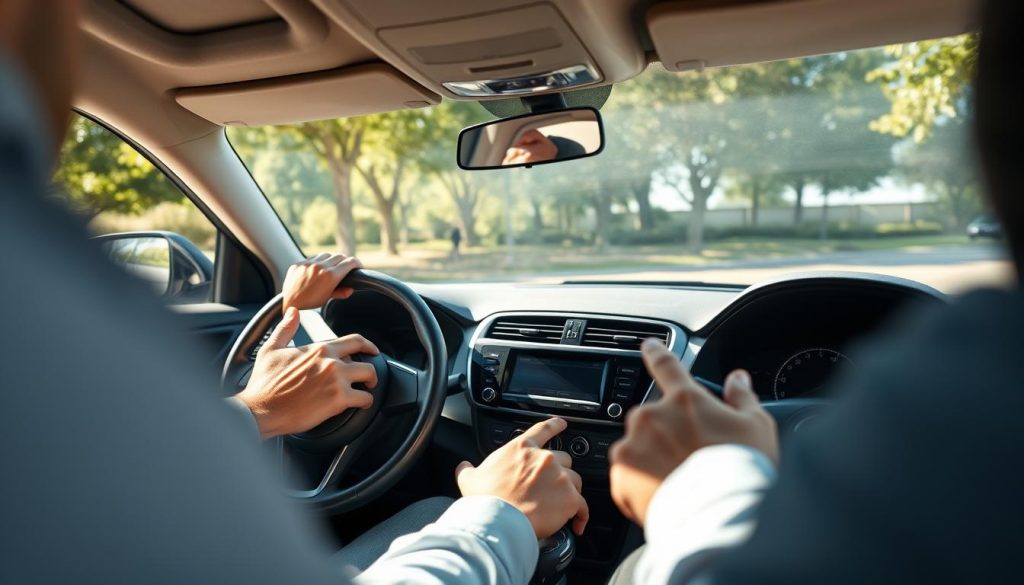
A detailed view of a new driver interacting with their vehicle in a well-lit setting, focusing on the console and controls. The foreground shows the driver's hands adjusting the steering wheel and dashboard buttons, showcasing features like a digital display and climate controls. In the middle, the driver, dressed in casual but neat clothing, has a focused expression, indicating concentration on learning the vehicle's operations. The background reveals a parked car in a bright, sunny environment with trees casting soft shadows, creating a welcoming atmosphere. The shot is taken from a slightly elevated angle to capture both the driver and the interior details clearly, emphasizing the importance of vehicle familiarity. The overall mood is one of learning and confidence-building.

了解自己車輛的反應,比任何駕訓技巧都還重要。

調整後視鏡與座椅位置

上路前,我會先把座椅與後視鏡調到舒適且無死角的位置。

正確坐姿能減少頭部與肩膀疲勞,視野也更清晰。

熟悉車身寬度與距離感

我用 Toyota Altis 1.8 練習停車與靠邊,藉此掌握車身寬度。

在河堤練習時,我會注意雨刷頂點與白線的相對位置,確認置中感。

善用車輛輔助系統

若車輛有 ADAS,我會先讀手冊並在空曠路段測試功能反應。

項目 檢查要點 建議練習地點
座椅與後視鏡 視野無死角,手臂與腿部舒適 停車場、空曠道路
車身寬度感 確認輪胎與路緣距離 河堤邊、標線停車區
油門與煞車手感 掌握壓力與反應時間 低速加減速練習區
ADAS與輔助系統 功能熟悉、測試警示反應 安全路段實測

規劃路線與練習時段的策略

A professional driving instructor and a nervous new driver are practicing route planning in a modern, well-lit vehicle interior. In the foreground, the instructor, wearing business casual attire, points to a digital GPS display, showing a detailed route map with highlighted waypoints. The new driver, dressed in modest casual clothing, looks focused, with hands on the steering wheel, ready to take notes. In the middle ground, an open road stretches ahead through the car's windshield, symbolizing opportunities and the journey to come. The background showcases a bright, sunny day, enhancing the atmosphere of anticipation and learning. The scene is captured with a wide-angle lens, emphasizing the interior and the view outside, creating a lively and motivational mood.

我習慣在出發前先把路線分段,這樣在練習時更有目標感,心態也更穩定。

建議先選擇車流較少的時段與路段,例如平日中午的河堤或週末的重劃區。這種環境讓你能專注練習合流、變換車道與停靠技巧,而不被密集車流干擾。

設定 A 點到 B 點的反覆練習,能提升對路線與導航的熟悉度,減少遇到新路況時的焦慮。

根據孔信權教練的服務範圍,我會在台北、新北、林口、桃園、基隆或宜蘭選擇相似難度的路段練習。避免尖峰時段,能讓練習更有效率,且有更多空間嘗試進階動作。

  • 從簡單路段開始,逐步增加複雜度。
  • 每次練習結束後,記下遇到的問題並調整路線。
  • 隨著路線數量增加,你的駕駛反應會逐漸提升。

克服上路恐懼的心理建設

A nervous new driver behind the wheel of a compact car, sitting in the driver's seat with hands gripping the steering wheel tightly. The car is parked at the edge of a busy on-ramp to a highway, showcasing colorful traffic signs and an array of vehicles in the background, such as trucks and sedans. Soft, natural sunlight filters through the car windows, creating a sense of warmth and support. The driver, wearing a casual yet neat outfit, has a focused expression, conveying determination and a slight tension. The scene is captured from an angle that emphasizes both the driver's emotions and the bustling road ahead, symbolizing the journey into confident driving on the expressway, with a hopeful atmosphere surrounding the new experience.

我記得上路前那陣子,心跳常因未知情境而加快。這種不安很正常,尤其是對於新手開車的人來說。

關鍵在於用可執行的練習把恐懼拆解成小目標。

我建議先在副駕駛座做腦中排演,想像突發狀況並說出處理步驟。這種「心裡演練」能讓大腦提前熟悉反應流程。

和教練反覆做實戰演練後,我發現恐懼會隨著熟練度遞減。保持謙虛並把安全放在第一,是成為穩健駕駛的必要態度。

跨出第一步並尋求專業協助,你會在練習中找回掌控感與駕駛的樂趣。

「多練習、少強迫;把每次練習當成進步的紀錄。」

方法 好處 練習提示
腦中排演 反應更快、焦慮減少 每天花 5 分鐘模擬情境
陪駕實戰 把理論轉為習慣 從短距離開始,逐步延長路程
紀錄與回顧 追蹤進步、修正錯誤 每次練習寫下三個改善點
保持謙虛心態 減少冒進、提升安全 接受回饋並逐步挑戰新情境

結論

穩定的基礎與正確心態,是上快速道路前最可靠的準備。我相信透過系統化練習,你可以把技巧化為直覺反應,提升行車安全。

掌握防禦駕駛觀念與熟悉車輛特性,能有效降低突發狀況的風險。我也建議在專業教練陪同下,循序漸進地練習,逐步建立信心。

只要持之以恆地練習,你會發現從緊張到從容只是時間問題。最終,這些努力會讓你和家人的旅程更安全、出行更自在。

FAQ

開車上快速道路前我應該先練哪些基本技巧?

我會建議先在安靜路段練習油門與煞車的平順控制、換檔(若為手排)、以及低速的車道維持。接著在郊區或練車場練習合流與加速變換車道,確保能穩定判斷車速與距離,這能大幅降低上高速後的緊張感。

為什麼新手特別需要準備而不是直接上路?

高速路段車速高、車流密集且反應時間短。我覺得缺乏基本功和經驗會增加事故風險,尤其在合流、超車與突發狀況下。如果事前做足練習與心理準備,能有效提升安全性與駕駛信心。

油門與煞車控制該怎麼練習才有效?

我會分段練習:先在停車場做平順起步與定距煞停,然後到低速路段模擬跟車煞停距離。重點是用小幅度、漸進的動作控制油門與煞車,避免猛踩或猛放,這樣能建立更好的車速管理能力。

轉彎與車道維持有哪些實用技巧?

我建議目視前方並提早減速,轉向時保持穩定的手部姿勢與視線跟隨目標點。使用短小修正來維持車道中心,並常觀後鏡確認側後車距,這能讓轉向更平順且減少偏移。

如何訓練預判路況與應對突發情況?

我會通過模擬練習,如假想前車急煞、左右車道突然切入等情境,練習判斷與立即反應。保持安全距離、雙手握方向盤、並練習快速而平穩的煞車與迴避,都能提升處理突發狀況的能力。

我應該如何選擇適合的駕駛課程來提升信心?

我會挑選有實務上路訓練且評價良好的駕訓班,最好包含高速合流、夜間與雨天練習。確認教練具備合格證照與豐富經驗,並要求小班教學或一對一指導,這能讓學習更有成效。

上高速前要如何調整座椅與後視鏡?

我會先調整座椅讓踏板與方向盤舒適可控,雙手能在九點三點位置輕鬆握住方向盤。後視鏡調整到僅能看到車後主視角,減少盲點,側鏡可稍微外撇以擴大視野,出發前再快速檢查死角。

怎麼快速熟悉車身寬度與距離感?

我習慣在安靜路段練習通過窄道或停車格,觀察車窗與車身線距離參考點。上路時保持適當側距並用路側標線或護欄作為參照物,隨著經驗累積,對車身寬度的感覺會變得更準確。

車輛輔助系統(如ACC、盲點偵測)該如何善用?

我會先在安全環境下熟悉各項系統的作動方式與限制,並把它們當成輔助而非替代。定期查看使用手冊,了解在雨天或曲線路段系統可能失靈時的應對,這樣才能在關鍵時刻正確運用。

練習時段與路線應如何規劃才安全又有效?

我會選在車流較少的時段(如非尖峰)開始,先選平直、車速較慢的路段練習合流與變換車道。隨著熟練度提升,再逐步挑戰較複雜的路線與時段,循序漸進能降低風險。

面對上路恐懼,我有哪些心理建設方法?

我會透過小目標分階段練習,紀錄每次進步,並用深呼吸與正向自我對話減少緊張。實際練習經驗能帶來自信,必要時可請有經驗的教練或熟悉的駕駛同行陪同上路。

Leave a Reply

Your email address will not be published.