Home > 駕駛技巧 > 變換車道總是緊張?後照鏡、盲點與方向燈使用技巧

變換車道總是緊張?後照鏡、盲點與方向燈使用技巧

變換車道總是緊張?後照鏡、盲點與方向燈使用技巧

在駕駛過程中,許多新手對於變換車道感到焦慮。這種情緒通常源於對車輛周遭環境的掌握不足。正確調整後照鏡並理解盲點的位置,可以有效降低變換車道時的心理壓力。

本指南將深入探討如何運用方向燈與其他駕駛進行有效溝通。同時,我們還將建立一套完整的防衛駕駛觀念。從基礎技巧開始,逐步提升在複雜路況下的行車信心與安全性。

重點摘要

  • 學習正確使用後照鏡以減少視覺死角。
  • 理解盲點的影響並避免危險。
  • 方向燈的使用能有效傳達意圖。
  • 建立防衛駕駛的心態以提升安全性。
  • 調整車速與車距以確保安全變換車道。

掌握變換車道、後照鏡、盲點、方向燈、防衛駕駛的核心觀念

A detailed illustration of safe lane-changing techniques in driving, depicting a professional driver in a modest casual outfit in the foreground, attentively checking their rearview mirror and blind spot. The middle ground features a highway scene with multiple lanes, showing cars positioned at different distances to emphasize safe driving distances. The background captures a bright, sunny day with clear blue skies, reflecting a sense of calm and confidence. The focus is on the driver’s careful use of indicators and mirror checks, while the lighting highlights the reflective surfaces of the mirrors. The overall mood is instructional yet reassuring, guiding the viewer through the essential concepts of defensive driving and lane changes.

駕駛過程中的變換車道技能至關重要。它不僅需要技術,還需具備良好的心理素質。防衛駕駛的核心在於預測潛在的危險,而非僅僅是被動地反應。這對於安全地變換車道至關重要。

駕駛者必須時刻保持對後照鏡和盲點區域的警覺。這樣才能在變換車道前,透過方向燈明確告知其他駕駛者自己的意圖。建立正確的心理素質,能幫助我們在面對車流時保持冷靜,避免因緊張而做出錯誤判斷。

理解防衛駕駛的深層意義

防衛駕駛不僅是技術操作,更是一種心態。它要求駕駛者對周圍環境保持高度警覺。以下是防衛駕駛的幾個要素:

  • 持續觀察周圍車輛的動態
  • 注意盲點的存在
  • 正確使用方向燈進行溝通

建立正確的變換車道心理素質

在變換車道時,駕駛者需要具備冷靜的心態。這樣才能做出正確的判斷。根據交通安全研究,保持專注與預判能減少約 40% 的道路碰撞風險。

心理素質 影響
冷靜 提高判斷準確性
專注 減少分心駕駛的風險
預判 及早發現潛在危險

調整後照鏡以減少視覺死角

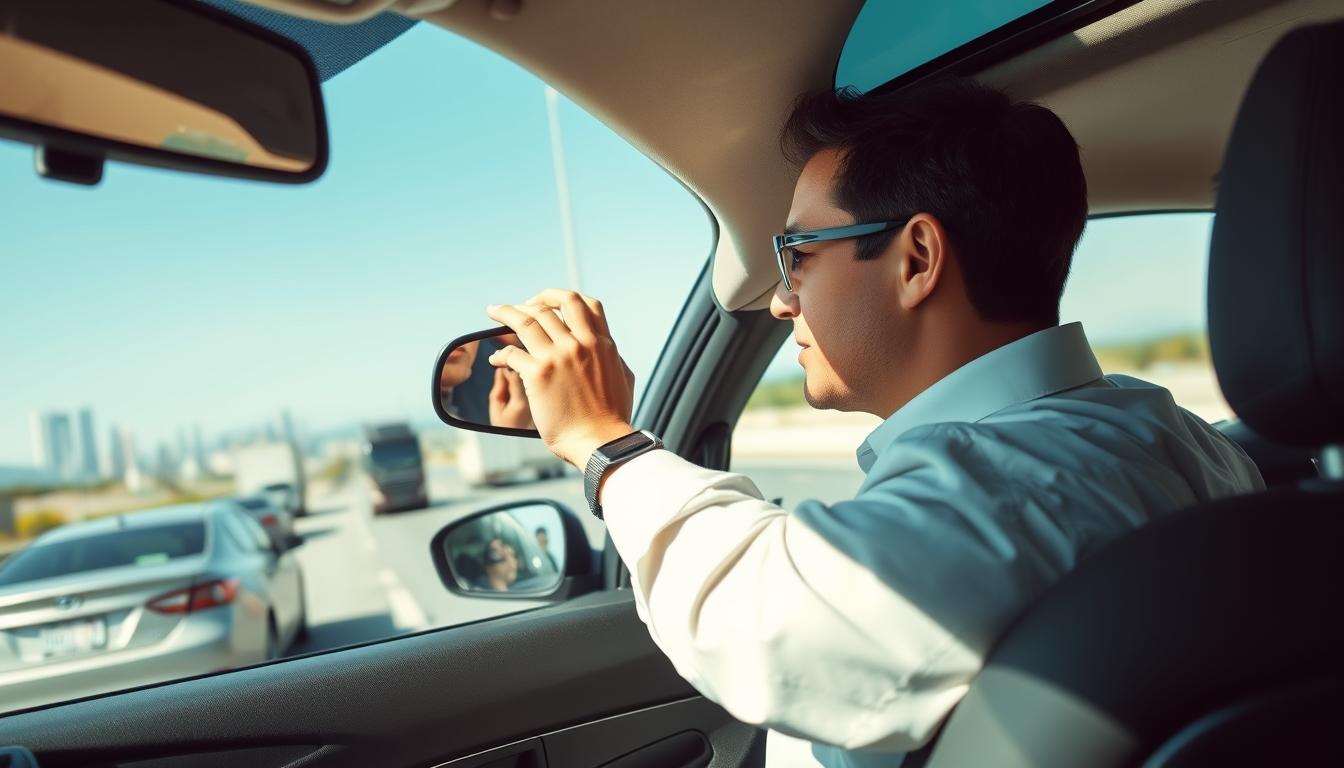
A focused image depicting a driver adjusting their rearview mirror in a modern car interior. The driver, a person dressed in smart casual attire, is seated in the driver's seat, with their gaze directed at the mirror. The mirror reflects a clear view of the road and traffic behind, highlighting safety features like blind spots. The dashboard is well-lit with a soft glow, suggesting early evening light filtering through the front windshield. Outside the car, there are blurred silhouettes of other vehicles, indicating a busy street. The scene conveys a sense of concentration and safety, emphasizing the importance of proper mirror adjustment to minimize visual blind spots. The overall mood is one of calm professionalism, with warm lighting enhancing the atmosphere.

在駕駛過程中,調整後照鏡是確保行車安全的第一步。正確的視角能有效減少車輛兩側的盲點區域。為了達到最佳效果,我建議將後照鏡調整至僅能看見極少部分的車身。這樣能最大化觀察後方車道的視野範圍。

透過這種調整方式,您在進行變換車道時,能更早發現後方快速接近的車輛。根據專業駕駛訓練建議,正確的鏡面角度應能涵蓋車輛後方至少三個車道的寬度。

以下是後照鏡調整的步驟:

  1. 坐在駕駛座上,調整座椅至舒適位置。
  2. 調整後照鏡,使其能夠看到後方的車輛。
  3. 確認後照鏡能夠涵蓋三個車道的寬度。

正確的後照鏡調整不僅能提高安全性,還能幫助我更自信地進行變換車道。了解盲點的存在,並透過調整後照鏡來減少其影響,是每位駕駛者都應該掌握的技巧。

善用方向燈與周遭車輛溝通

A detailed scene depicting a driver in a modern car using their turn signal, preparing to change lanes. The foreground features a close-up view of the driver, a professional in a business suit, focused and attentive, clearly indicating the action of signaling. In the middle ground, multiple vehicles are visible, some responding to the signal, with a particular emphasis on a vehicle in the adjacent lane visibly reacting. The background shows a busy urban street with traffic lights and pedestrians, capturing a moment in time during rush hour. The lighting is bright and clear, simulating a sunny afternoon, with reflections from car windows enhancing the atmosphere. The angle is slightly elevated to provide a comprehensive view of the lane change process, conveying a sense of safety and communication in driving.

在駕駛過程中,方向燈扮演著重要的溝通角色。適當使用方向燈能顯著提升行車安全,尤其是在變換車道時。提早打燈能讓後方車輛清楚了解你的意圖,從而避免不必要的意外。

提早打燈的溝通重要性

提早打燈不僅是良好駕駛習慣,更是保障安全的關鍵。以下是一些重要的溝通要點:

  • 至少提前 3 秒開啟方向燈,讓後方駕駛有足夠時間反應。
  • 在變換車道時,方向燈的使用能明確傳達你的行駛意圖。
  • 避免突然變換車道,保持流暢的駕駛行為。

方向燈與車速的配合時機

方向燈的使用時機與車速密切相關。以下是一些建議:

  1. 在高速行駛時,應適度延長打燈時間,以配合車流動態。
  2. 在低速行駛時,仍需提前打燈,讓周圍駕駛者能清楚理解你的行駛意圖。
  3. 根據交通狀況調整打燈時間,確保安全變換車道。

辨識並避開車輛盲點區域

A professional driver in modest casual clothing focuses intently on the side mirror while performing a lane change on a busy highway. The foreground depicts the driver's concentrated expression, highlighting their awareness of the blind spots. In the middle ground, a sleek silver car is positioned beside the driver’s vehicle, partially obscured by the side mirror, indicating a potential blind spot. The background shows a blur of traffic, with colorful vehicles and a bright blue sky, suggesting a sunny day. The lighting is natural and brings warmth to the scene, emphasizing the importance of safe driving techniques. The mood conveys a sense of urgency and caution while ensuring the driver is confident and skilled in navigating their surroundings safely.

在駕駛過程中,盲點區域往往被忽視,成為隱形的危險源。尤其是在進行變換車道時,若未確認這些區域,可能會導致意外事故。我在變換車道前,會透過轉頭掃視車側的盲點,確認周圍環境是否安全。

許多現代車輛配備了盲點偵測系統,這對於提升安全性有幫助。然而,我們不能完全依賴科技,仍需親自確認周圍環境的安全性。根據統計,超過25%的變換車道事故是由於未確認盲點所導致的。

  • 確認後視鏡及側視鏡的調整
  • 在變換車道前,轉頭檢查盲點
  • 注意周圍車輛的動態

為了提高安全性,以下是一些建議:

  1. 在變換車道前,使用後視鏡檢查後方車輛。
  2. 在進行變換車道時,提前打方向燈。
  3. 保持安全車距,避免緊急變換車道。

執行變換車道前的防衛駕駛檢查

A realistic scene depicting a defensive driving check before changing lanes on a busy city street. In the foreground, a professional driver in smart casual clothing is looking at the rearview mirror, highlighting attention to safety. The middle ground features a modern car with its turn signal activated, and the driver checking blind spots by glancing over their shoulder. The background shows a bustling cityscape with other vehicles and pedestrians, captured with soft, natural lighting during the golden hour, creating a calm yet alert atmosphere. The angle should be slightly tilted to emphasize the driver's perspective while avoiding any distractions or unnecessary details.

在變換車道之前,我會遵循一套標準的防衛駕駛檢查流程。這些檢查不僅能提高安全性,還能讓我在繁忙的交通中保持冷靜。以下是我執行檢查的幾個關鍵步驟:

轉頭確認的必要動作

轉頭確認是我在變換車道前必不可少的動作。這個動作能讓我清楚地看到盲點區域,確保後方沒有其他車輛。即使後照鏡已經調整到最佳角度,轉頭確認仍然是必要的。因為某些車輛可能會在後照鏡的視野之外。

判斷後方車輛的相對速度

在我進行變換車道時,判斷後方車輛的相對速度至關重要。如果我發現後方車輛的速度明顯快於我,我會選擇等待其通過再進行變換。這樣的主動式檢查動作,能確保我在變換車道時擁有足夠的安全距離。

保持適當車速與車距的必要性

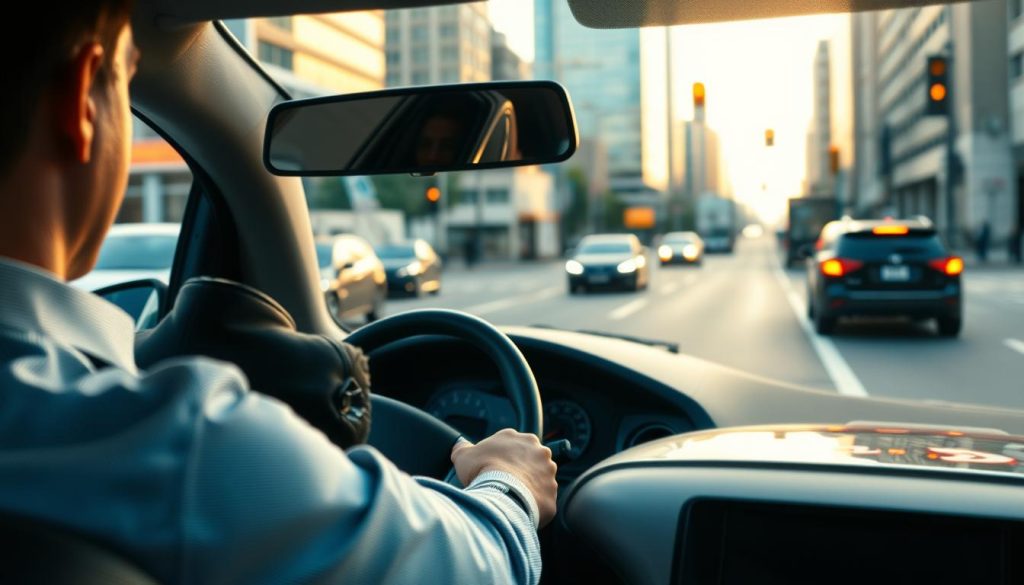
A detailed scene depicting a driver's hands on a steering wheel, utilizing the rearview mirror and turn signals in a car. The foreground features the driver's hands, clad in a smart casual attire, adjusting the rearview mirror while simultaneously using the turn signal. In the middle ground, a dashboard is visible with indicators showing speed and distance, emphasizing awareness while changing lanes. The background captures a suburban road with other vehicles keeping a safe distance. The lighting is natural and bright, suggesting a clear day, enhancing the calm yet focused atmosphere of safe driving practices. The angle is a close-up that showcases the driver's actions and the controls, highlighting the importance of mirror and signal use while maintaining proper speed and distance.

在變換車道時,保持適當的車速與車距是維持穩定性的基礎。這是防衛駕駛的核心原則之一。透過後照鏡持續監控後方車距,確保安全後才開啟方向燈進行變換。若車距過近,強行變換車道將大幅增加事故風險。

我建議至少保持 2 秒的跟車距離。這項原則能為您爭取到寶貴的緊急反應時間,尤其在高速公路行駛時。

  • 保持適當車速可避免突發狀況
  • 適當車距有助於減少事故風險
  • 透過後照鏡確認後方情況
  • 使用方向燈進行清晰的溝通
情況 建議車距 注意事項
城市道路 1-2 秒 保持靈活應變
高速公路 2-3 秒 留意後方車輛速度
惡劣天氣 3-4 秒 增加安全距離

總之,透過適當的車速與車距,我能夠在變換車道時確保安全,並降低事故發生的機率。這不僅是我個人的駕駛習慣,也是每位駕駛者應該遵循的基本原則。

應對惡劣天氣下的變換車道挑戰

An intense scene of a driver cautiously changing lanes in challenging weather conditions. The foreground features a close-up of a focused, professional-looking driver in their vehicle, wearing smart casual attire, with hands gripping the wheel and eyes fixed ahead. The middle ground shows a blurred view of the roadway, revealing slick, wet asphalt reflecting passing headlights, while heavy rain cascades down the windshield, creating a rain-speckled effect. In the background, ominous black clouds loom, illuminating flashes of lightning that highlight surrounding vehicles struggling against the downpour. The atmosphere conveys tension and urgency, with a dim, moody lighting that emphasizes the difficulties faced by drivers in bad weather. The angle captures the driver's perspective, showcasing the road ahead and the critical need for caution in lane changes.

惡劣天氣下,變換車道的挑戰顯著增加。雨天視線模糊,路面濕滑,駕駛困難。這時,防衛駕駛的技巧顯得尤為重要。

雨天行車的視線模糊處理

雨天行駛時,視線受限。駕駛者應採取以下措施來改善視野:

  • 定期清潔擋風玻璃,確保雨刷正常運作。
  • 減速行駛,保持安全距離。
  • 使用車燈提高能見度,提醒其他駕駛者。

濕滑路面的變換車道穩定性

濕滑路面變換車道時,穩定性至關重要。以下安全建議:

  • 避免急煞或急轉方向盤,減少打滑風險。
  • 預留比平時更大的變換車道空間。
  • 根據路況調整車速,保持穩定的行駛。

觀察後方來車動態的判斷技巧

駕駛過程中,觀察後方來車動態至關重要。利用後照鏡持續掃視,能隨時掌握後方車輛的情況。這樣做可以全面了解周圍的交通狀況。

當我準備變換車道時,觀察後車是否有加速或變換車道的跡象非常關鍵。我會注意以下幾點:

  • 觀察後方車輛的速度變化。
  • 檢查後車是否在使用方向燈。
  • 確認後方車輛的距離,以評估安全性。

避免在彎道或路口處進行變換車道

在駕駛過程中,安全是最重要的考量。變換車道在彎道或路口處是極其危險的行為。這不僅違反了防衛駕駛的基本原則,還可能導致嚴重的交通事故。

路口和彎道的視線通常受限,增加了潛在的危險。以下是需要注意的幾個重點:

路口處的潛在危險分析

  • 轉彎車輛的突然出現。
  • 行人可能在不明顯的地方穿越馬路。
  • 交通信號燈的變化可能導致車輛意外停下。

彎道變換車道的重心偏移風險

提升夜間行車的變換車道安全性

夜間行駛時,光線不足使得我對後照鏡和盲點的判斷變得更加困難。在這種情況下,變換車道需要更加小心。我會特別注意後方車輛的燈光,透過燈光的強弱來判斷後車的距離與速度。

在進行變換車道時,提前開啟方向燈非常重要。這樣可以增加我的辨識度,讓其他駕駛者更容易察覺我的行駛意圖。夜間視線受限,我會比白天更頻繁地檢查後照鏡,確保周遭環境的安全。

  • 保持穩定的車速,避免突然加速或減速。
  • 使用後照鏡,定期檢查周圍的交通狀況。
  • 在變換車道前,確保盲點內沒有其他車輛。
  • 在必要時,適時使用方向燈來提醒其他駕駛者。

在光線昏暗的道路上,這些措施能有效保障我的行車安全。無論何時,安全駕駛都是最重要的。

處理突發狀況的緊急應變措施

駕駛過程中,突發狀況可能隨時發生。例如,當前方車輛突然煞車,我會迅速透過後照鏡確認後方情況。然後,採取必要的防衛駕駛措施。

保持冷靜是關鍵。避免猛打方向盤,能降低失控風險。同時,我會使用方向燈,告知周遭車輛我的避讓意圖。這樣可以有效減少事故發生。

處理盲點區域突發車輛時,我會優先保持車道穩定。尋找安全的避讓空間。以下是一些應對突發狀況的步驟:

  1. 確認後方車輛狀況。
  2. 使用方向燈通知其他駕駛。
  3. 保持冷靜,避免驟然轉向。
  4. 尋找安全的避讓空間。

緊急應變能力是長期駕駛經驗的累積。我建議每位駕駛定期進行安全駕駛訓練。這樣可以提升應對突發狀況的能力。

應變措施 重要性
確認後照鏡 了解後方車輛的距離和速度
使用方向燈 與其他駕駛溝通,減少誤解
保持冷靜 避免驟然行動,降低事故風險
尋找避讓空間 確保安全地變換車道

培養良好的駕駛心態與專注力

安全變換車道的關鍵在於良好的駕駛心態與高度專注。這不僅能在複雜的路況中做出正確的決策,還能提高對後照鏡與盲點的觀察細膩度。保持平靜與不急躁的心態對於安全駕駛至關重要。

變換車道不應該被視為與時間競賽,而是一次需要深思熟慮的安全操作。透過提升專注力,我們能有效減少因分心而導致的駕駛失誤。這樣每次變換車道都能夠安全順利。

以下是一些培養良好駕駛心態的建議:

  • 保持冷靜,避免焦慮情緒。
  • 定期檢查後照鏡與盲點。
  • 專注於周圍環境,隨時注意其他車輛。
  • 練習深呼吸,減少駕駛過程中的緊張感。

專注力的提升可以透過以下方式實現:

  1. 設定駕駛目標,清晰明確。
  2. 避免使用手機或其他干擾物。
  3. 進行短暫的休息,防止疲勞駕駛。

結論

總結來說,掌握變換車道的技巧需要對後照鏡、盲點與方向燈的熟練運用。這些技能對於提升行車安全至關重要。將防衛駕駛的觀念融入日常行車中,能有效提升行車安全。

透過持續的練習與觀察,我能大幅提升駕駛信心。在各種路況下,這些技巧幫助我保持安全,避免潛在的危險。

希望本指南能幫助我建立更穩健的駕駛習慣。每一次的變換車道都應該成為安全且自信的體驗。請務必將這些技巧應用於實際駕駛中,共同維護道路安全。

FAQ

變換車道時應該如何使用後照鏡?

在準備變換車道前,我會先調整後照鏡。這樣可以確保能夠清晰地看到後方車輛。建議將後照鏡調至僅能看到車身極少部分。這樣可以最大化後方視野,幫助我更早發現快速接近的車輛。

盲點是什麼?如何避免盲點事故?

盲點是駕駛時容易忽略的區域,尤其是在變換車道時。為了避免盲點事故,我習慣在變換車道前轉頭檢查盲點。這樣可以確保該區域內沒有其他車輛,有效降低事故風險。

方向燈的使用有多重要?

方向燈不僅是警示工具,更是與周遭駕駛溝通的關鍵。變換車道前,我會至少3秒前開啟方向燈。這樣可以給後方車輛足夠的反應時間,降低追撞風險。

如何在惡劣天氣下安全變換車道?

在雨天或惡劣天氣下,我會更加謹慎。確保有足夠的變換車道空間非常重要。濕滑路面會影響抓地力,因此我會避免急煞或急轉方向盤,以保持車輛穩定。

變換車道時應保持什麼樣的車距?

在變換車道時,我建議至少保持2秒的跟車距離。這樣可以為我爭取到寶貴的緊急反應時間,確保安全。

如何判斷後方車輛的速度?

我會透過後照鏡觀察後方車輛的動態。若發現後車加速或變換車道的跡象,我會根據情況調整我的變換時機。這樣可以避免潛在的風險。

在彎道或路口處變換車道有什麼風險?

在彎道或路口處變換車道非常危險。這些區域的視線通常受限,容易發生突發情況。因此,我始終堅持在直線路段完成變換,以確保行車安全。

夜間行車時應如何提高變換車道的安全性?

夜間行車時,我會特別注意後方車輛的燈光。提前開啟方向燈可以增加辨識度。保持穩定的車速與明確的燈號使用是保障安全的關鍵。

突發狀況下該如何應對?

遇到突發狀況時,我會立即透過後照鏡確認後方狀況。保持冷靜並果斷採取防衛駕駛措施。避免猛打方向盤,確保行車穩定。

如何培養良好的駕駛心態?

良好的駕駛心態與專注力是安全變換車道的基礎。保持冷靜且不急躁的心態能幫助我更好地觀察後照鏡與盲點,做出正確的決策。

Leave a Reply

Your email address will not be published.