Home > 駕駛技巧 > 路口轉彎怎麼看?右轉、左轉與行人穿越線注意事項

路口轉彎怎麼看?右轉、左轉與行人穿越線注意事項

路口轉彎怎麼看?右轉、左轉與行人穿越線注意事項

作為一名汽車專家,我必須正視一個嚴重事實:台灣近六個月內,因交通事故造成的死傷人數高達25萬人,而多數事故發生在路口。

我在這篇文章中會以多年駕駛經驗,說明如何在繁忙路口做出安全判斷。轉彎看似簡單,但任何一個判斷錯誤都可能釀成重大後果。

我將拆解關鍵觀念,從駕駛視角提醒您注意行人、號誌與車流,並提供可立即採取的防禦性駕駛建議。目標是降低事故風險,守護每位道路使用者。

重點整理(關鍵要點)

  • 台灣路口事故高發,需提高警覺與防禦駕駛意識。
  • 注意行人穿越線與號誌,不可掉以輕心。
  • 養成查看多方向盲點與提前減速的習慣。
  • 我會提供實務建議,幫助您建立正確的駕駛觀念。
  • 正確判斷與守法能有效降低事故發生機率。

路口轉彎前的準備工作與安全觀念

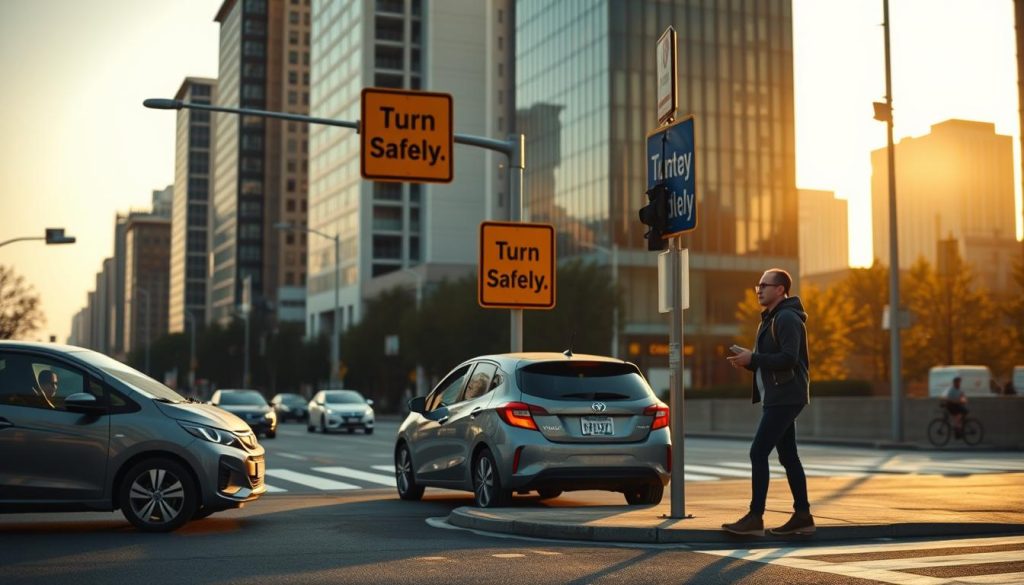
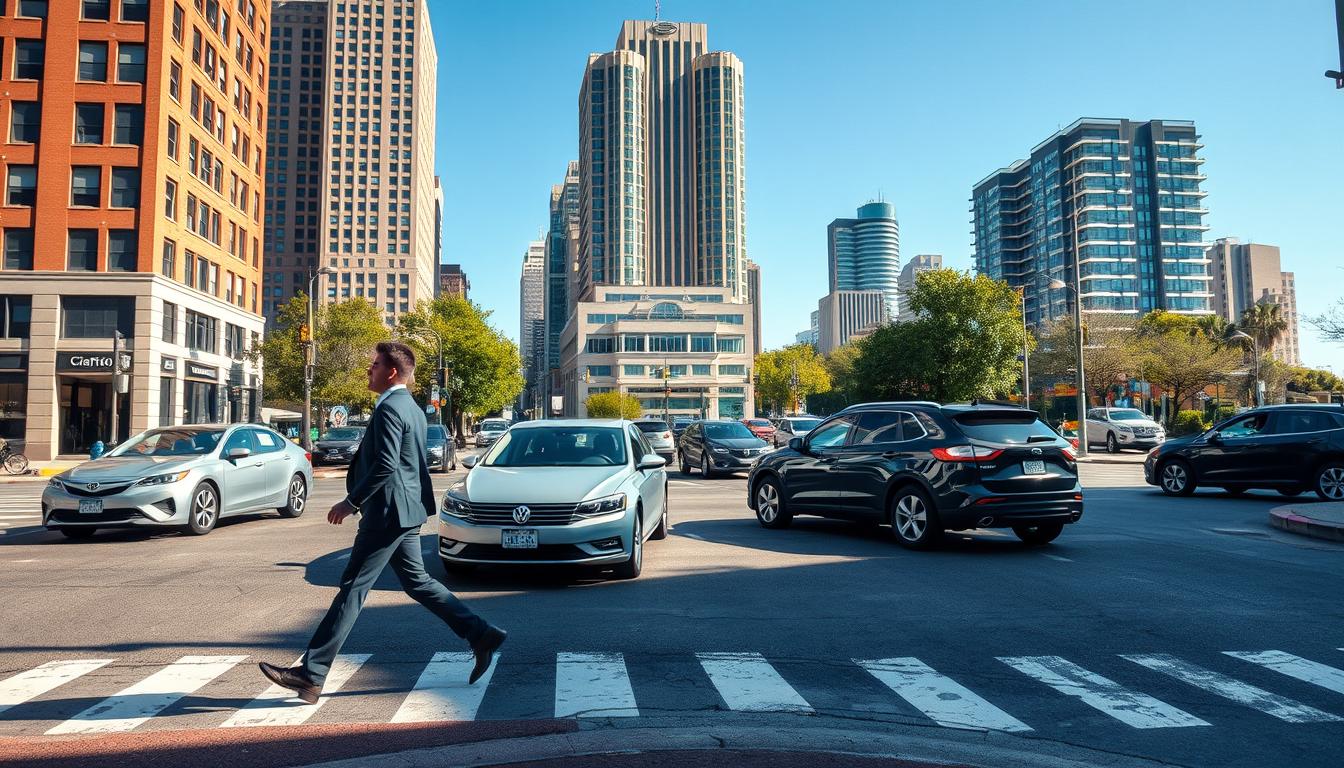
A busy urban intersection showcasing the concept of safe turning at corners. In the foreground, a compact car is forking left, with a cautious driver checking the surroundings. To the right, a pedestrian waits at the crosswalk, displaying attentiveness while holding a smartphone. The middle ground features a clear street sign indicating ‘Turn Safely’ with bright colors. In the background, tall city buildings are softly illuminated by the warm glow of the setting sun, casting elongated shadows. The scene captures a sense of alertness and responsibility, with soft focus on the periphery and sharp detail on the car and pedestrian. A slightly elevated angle offers a wide view, emphasizing the intersection's importance for safe navigation.

在每次接近路口前,我總是把準備當作第一要務。良好的準備能讓判斷更快、更正確,減少臨場慌亂與不必要的風險。

方向燈的使用時機

根據我的觀察,提前打方向燈是最基本的準備工作。這能其他駕駛人與機車騎士預判你的行駛動線,並給予足夠反應時間。

汽車專家 Mark 強調,方向燈不是選配。變換車道或要轉彎時,請務必在適當時機提前開啟,讓所有道路使用者都有預期。

提前變換車道的必要性

提早變換到正確轉彎車道能避免在路口處緊急切換,減少追撞與爭道情形。

檢查項目 建議作法 理由
方向燈 提前3-5秒打燈 讓後方與旁邊車輛有預告時間
車道變換 在距路口50-100公尺完成 避免路口臨時切換造成事故
視野確認 檢查左右與後視鏡、盲點 減少與機車、行人衝突風險

掌握正確的右轉技巧與防禦駕駛

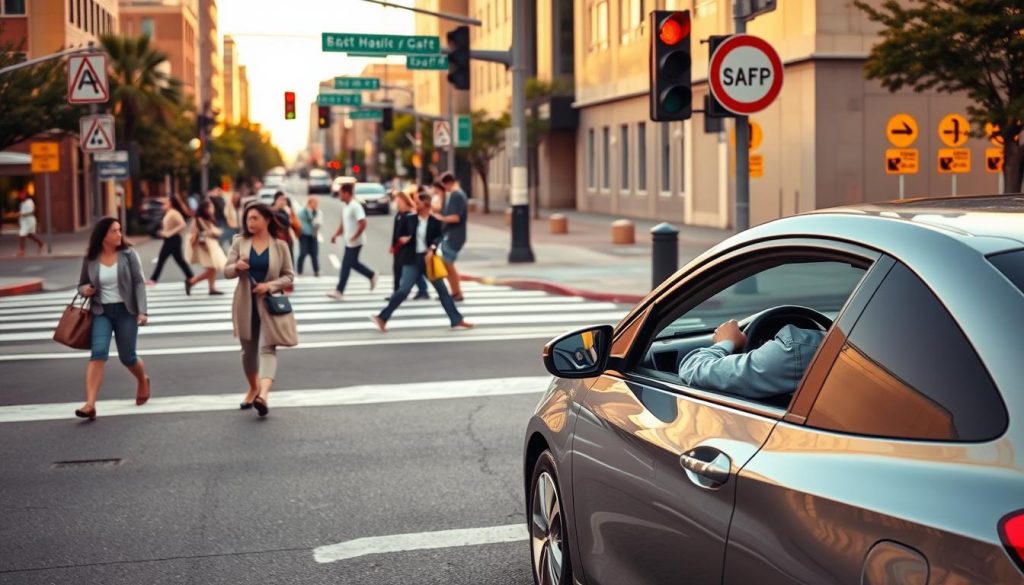
A dynamic urban scene depicting a safe right turn at an intersection. In the foreground, a modestly dressed driver in a business casual outfit carefully steers a compact car, signaling with a turn indicator. The middle ground showcases a busy crosswalk, featuring diverse pedestrians, including a woman with a briefcase and a child holding an adult's hand, waiting to cross. The background reveals traffic lights and road signs emphasizing safety. The setting is during golden hour, casting a warm glow over the scene, enhancing the mood of vigilance and care. The perspective is slightly elevated, giving a clear view of the intersection, while ensuring a focus on the correct techniques for executing a right turn safely.

要安全右轉,判斷與動作必須同步且果斷。

根據《道路交通安全規則第102條第1項第4款》,我會在距交岔路口約30公尺前先示意燈或手勢。這是法定要求,也是通知其他道路使用者的第一步。

實務上,我建議提前駛入外側或慢車道,並採用關門技巧:將車身靠右,減少機車鑽入的空間。許多駕駛人誤以為留右側空隙是禮貌,事實上這可能引發爭道與碰撞。

運用關門技巧防止機車爭道

  • 先示意再靠右,避免突兀切入。
  • 轉入時讓車身接近90度,擴大視野以免A柱遮蔽行人。
  • 先向前移動少許,再回正方向盤,藉此確認右後方來車與行人。

深入解析左轉技巧與路口導引
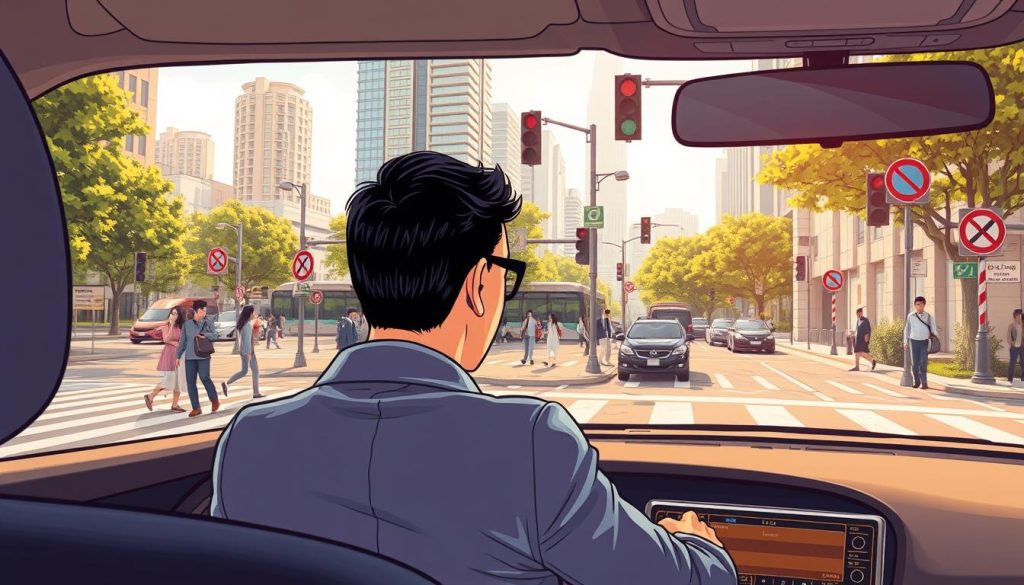
A detailed illustration of a busy urban intersection highlighting "左轉技巧" (left turn techniques). The foreground features a well-dressed driver in a modern car, attentively preparing to make a left turn. In the middle ground, pedestrians wait at a crosswalk, with a clear view of the traffic signals and road signs indicating left turn restrictions. The background depicts a mix of high-rise buildings and lush street trees, suggesting an active city environment. The scene is bathed in warm afternoon sunlight, casting soft shadows and enhancing the vibrant colors of the vehicles and surroundings. Capture the sense of careful navigation, emphasizing safety and awareness in urban driving. Use a slight low-angle perspective to create depth and focus on the driver’s attentiveness.

左轉動作看似平常,實則需同步判斷車流、行人與車道位置。我會把每一步拆開,讓你在繁忙路口也能穩定完成左向轉彎。

避免切西瓜的危險行為

  • 提前切入內側車道,並在距交岔路口約30公尺前示意方向燈或手勢,遵守《道路交通安全規則第102條第1項第5款》的規定。
  • 行至路口中心處再左轉,絕不隨興「截彎取直」,以免與對向直行車衝突或撞及斑馬線上的行人。
  • 切西瓜式過彎不僅危險,也容易成為事故主因;養成正確走位是最有效的預防。

轉彎時的視線引導

轉彎時把眼睛放在你要去的方向,用視線引導方向盤角度。這能幫助你判斷轉向半徑與與對向車流的距離。

切記不要跟車左轉;在動作前務必確認對向車道淨空,或等候至安全時機再行動。

轉入同一車道的優先權判定
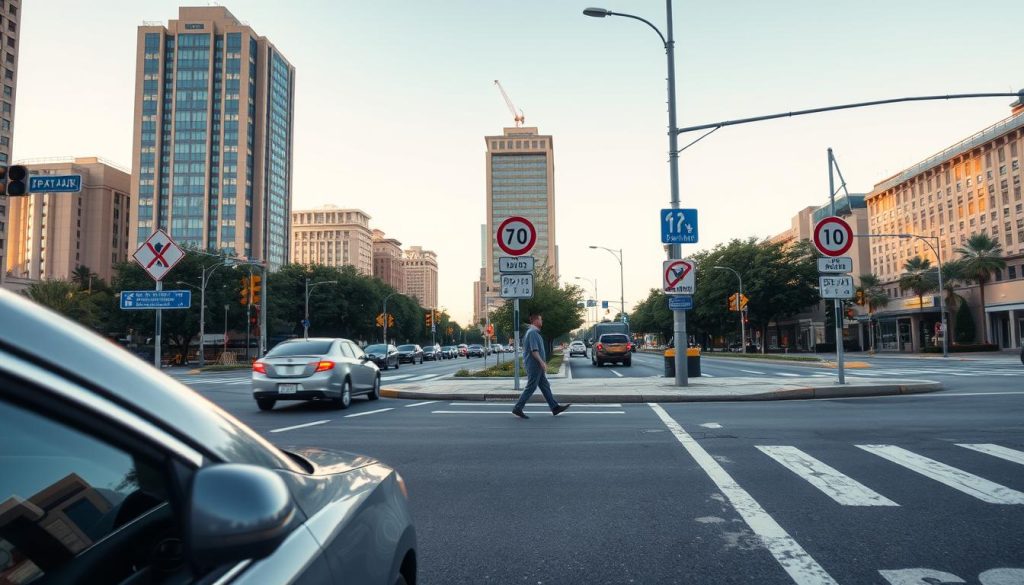
A busy urban intersection showcasing the concept of "same lane priority" in traffic. In the foreground, a car is approaching a right turn, signaling its intent with a clear turn signal, while another vehicle is preparing to merge into the same lane from the left. A pedestrian is cautiously crossing at a designated crosswalk nearby, observing the traffic. In the middle ground, various road signs indicating traffic rules and lane usage can be seen. The background features tall buildings, a blue sky, and soft, natural lighting that suggests a late afternoon ambiance. Capture the motion and tension of the scene while ensuring safety and clarity in lane markings and road rules. The angle should be slightly elevated, providing a clear view of the intersection dynamics without any text or overlays.

面對左右同時轉入同一車道的情形,我會先以法規作為判斷依據,並結合現場安全觀察來決定動作。

根據《道路交通安全規則第102條第1項第8款》,對向行駛之左右轉車輛已轉彎須進入同一車道時,右轉彎車輛應讓左轉彎車輛先行。

實務上,我提醒自己在接近交岔口時就先確認車道走向與對向車輛狀態。

若進入的是兩車道以上的路段,正確的車道分配尤其重要。

情況 建議作法 理由
同一車道轉入 右方車輛禮讓左方先行 符合法規並降低碰撞風險
二車道以上 右轉進外側,左轉進內側 避免併行造成摩擦
車流緊湊 減速示意並等待安全時機 避免追尾與肇事爭議
  • 許多駕駛誤解鄰近優先,事實上法規明定應讓行。
  • 釐清優先權對肇責判定極為關鍵,請以法規與安全為先。

應對狹窄路口與視線死角

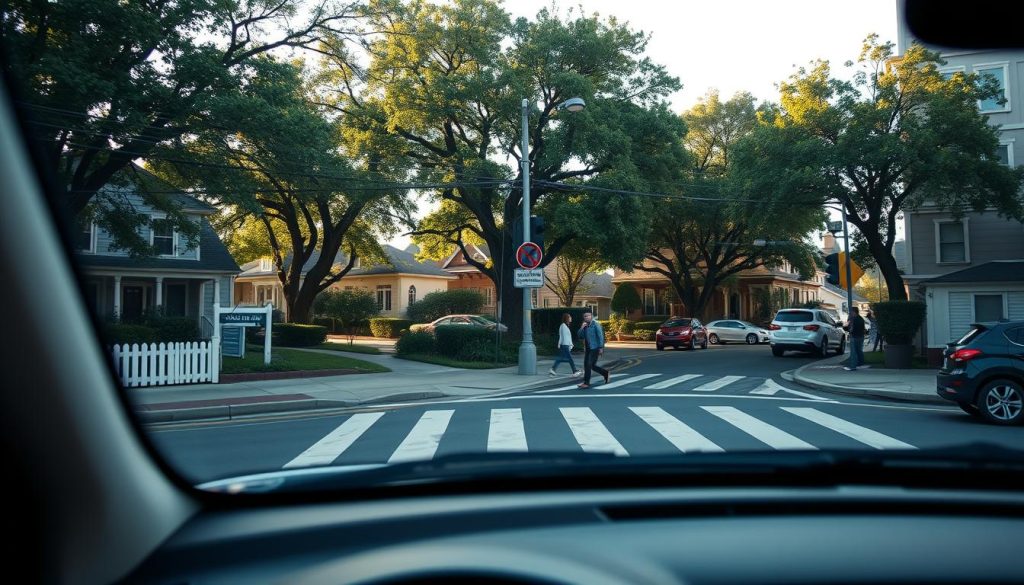
A narrow urban intersection viewed from a driver's perspective, capturing the critical blind spots around a right turn. In the foreground, a car waits to turn right, its driver peering cautiously around the corner. The middle ground features pedestrians crossing at a marked crosswalk, highlighting the importance of visibility and awareness at such junctions. The background shows a quaint neighborhood with lush trees lining the street, adding contrast to the busy scene. Soft afternoon sunlight filters through the trees, casting gentle shadows, while the angle of view provides an immersive sense of depth. The mood conveys tension and vigilance, emphasizing the need for careful navigation in these potentially hazardous areas.

面對窄小交叉口,我會先放慢速度,觀察每一個可能的死角。

若轉彎空間不足,建議先往前移動一些距離,自己爭取轉向空間,避免與安全島或路緣擦撞。

轉彎時保持車輛平穩,避免急加速或急煞車。順著彎道小幅轉動方向盤,確保車頭能順利通過狹窄區域。

當斑馬線與交岔口距離過近,視線死角會增加。此時請減速慢行,並用頭部微幅轉動檢查行人與機車。

實用判斷與操作要點

  • 慢速前進,分段確認左右視野。
  • 保持穩定油門,避免猛打方向盤。
  • 必要時以短暫停車換取更清晰視線。

情境 建議動作 安全理由
路口狹窄 往前移1-2車身再轉彎 增加轉彎半徑,避免擦撞
斑馬線靠近 先減速、目視確認行人 降低撞及行人風險
視線被遮擋 分段前進並短暫停車查看 避免盲點事故發生

遵守交通法規守護行人安全

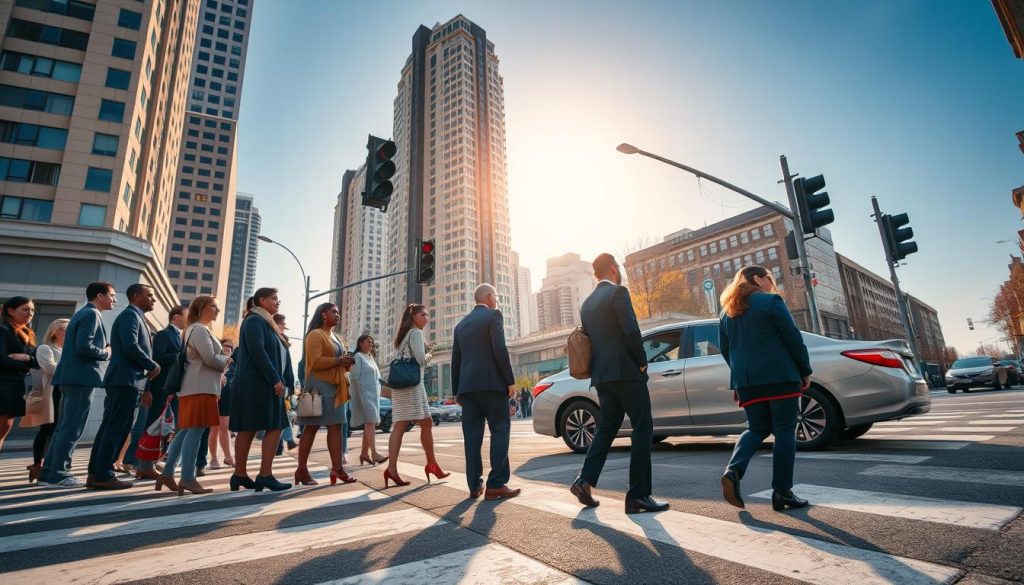
A busy urban intersection showcasing a crosswalk with pedestrians waiting patiently for a green light. In the foreground, a diverse group of well-dressed individuals, including men and women in professional attire and modest casual clothing, are standing on the sidewalk. In the middle ground, a car is making a right turn, slowing down to yield to the pedestrians, reflecting a sense of safety and compliance. The background features tall city buildings under a clear blue sky, and soft sunlight illuminating the scene, enhancing a warm and inviting atmosphere. The angle captures both the pedestrians and the vehicle, emphasizing the importance of traffic regulations in protecting the safety of those crossing the street.

守護行人安全不僅是法律責任,更是我對他人生命的基本尊重。轉彎前,請先注意斑馬線上是否有人正在通行。若有人橫越,駕駛人必須停車禮讓,這是不可妥協的義務。

根據相關交通法規,禮讓行人不只是避免罰款。它能真正降低傷亡風險,尤其在視線受阻或車流密集的路口更要提前減速並目視確認。

很多事故源於駕駛人在轉向時忽視斑馬線上的行人。這類疏忽常出現在分心、速度過快或錯估行人步速時。請務必把禮讓當作習慣,而不是偶爾的讓步。

  • 接近有人行橫道時先減速,準備停車。
  • 在視線不佳處,用頭部轉向確認斑馬線是否有人。
  • 以遵守法規與禮讓為優先,營造友善的交通環境。

禮讓行人,是最直接也是最有效的防禦性駕駛行為。

結論

最後,我想強調:穩定的判斷與謹慎的動作才能真正降低風險。

轉彎雖是日常動作,但細節與法規知識決定安全成敗。從提前打方向燈到正確的車道變換,每一步都很重要

我也強調禮讓行人的必要性。遇到視線盲點或窄路時,請放慢速度並以目視確認。

希望透過本文解析,您能建立一致的防禦性駕駛習慣。讓我們從自身做起,謹慎駕駛、互相禮讓,共同守護台灣道路安全,讓每一趟出門都有平安的回程。

FAQ

路口轉彎前我應該做哪些準備工作?

我會先觀察路況並檢查後視鏡與側鏡,確認無後方及側方來車或機車靠近。必要時我會提前打方向燈並穩定車速,保持與前車適當距離,以便有足夠反應時間應對突發情況。

方向燈應該在何時打最合適?

我通常在預計轉彎前約3至5秒或提前30公尺(市區視速而定)打方向燈,讓周遭道路使用者有充分預期。打燈後若有變更路線需求,要及時取消或重新示警,避免產生混淆。

提前變換車道有什麼注意事項?

我會確保變換車道前先觀察盲點,使用方向燈並給予其他駕駛足夠回應時間。若交通流量大或路肩狹窄,我會放慢速度並尋找合適的空檔再變換,避免強行切入造成危險。

右轉時如何與機車及行人安全共存?

我會採取防禦駕駛,注意行人穿越線及等候機車位置。進入路口前減速,確認機車未從右側超車,也注意行人意圖通行,必要時讓行人優先通過,確保沒有騎士或行人被夾在車側。

什麼是「關門技巧」,如何運用防止機車爭道?

我所說的關門技巧是指在安全距離與速度下控制車身位置,避免在右轉或變換車道時突然靠近機車造成夾擊。實務上,我會先讓機車通過或保持與其足夠水平距離,再完成轉向,以降低衝突風險。

左轉時有哪些常見錯誤要避免?

我會避免「切西瓜」式的急切入,即突然切彎占用對向車道或行人道。這類行為容易與對向來車或行人發生衝突。正確做法是靠近中線或導引線、減速並確認對向車流與行人情況後再轉。

轉彎時應如何引導視線以保持安全?

我會往轉彎方向延伸視線,先瞄遠處的出口點,再掃描近距離的路面與行人,並利用後視鏡隨時檢查背後動態。穩定視線可以幫助我判斷轉向幅度與速度。

轉入同一車道時誰有優先權?

我遵循「先進先行」與交通號誌判定優先權。若無號誌或標線,先進入車道的車輛優先;同時我會尊重讓行規則,主動讓出狹窄處避免對向車輛或緊急車輛受阻。

遇到狹窄路口或視線死角時怎麼辦?

我會先停在能看見對向來車的位置,必要時用半車身觀察對向情況,並以喇叭或手勢提醒其他道路使用者。若轉彎空間不足,我會分段慢速前進,避免一次性橫越造成堵塞或碰撞。

當轉彎空間不足時,有哪些應對策略?

我會減速、拉近至轉角點並採用分段轉向法,亦可請求後方或對向駕駛配合暫停,以便安全完成轉彎。必要時我會下車確認空間,避免用盲目操作造成損傷。

如何落實行人優先與遵守相關交通法規?

我會在有人行穿越線的路口主動停讓,特別注意學童、老年人與視障者通行時的動態。遵守紅綠燈、標線與停讓規定,並保持車速在限速內,是我保障行人安全的基本原則。

Leave a Reply

Your email address will not be published.